

Smile Academy Pediatric Dentistry
Blog
Family Dental Care Guide for Lifelong Healthy Teeth and Gums
Oral health is not just an individual responsibility—it is a shared commitment that begins at home and continues throughout life. Healthy teeth and gums are essential for eating, speaking, confidence, and overall well-being. When one family member struggles with dental issues, it often affects the entire household routine, from diet choices to emotional comfort and even healthcare expenses.
That is why building strong oral hygiene habits as a family is so important. Children learn by observing adults, so when parents prioritize brushing, flossing, and regular dental visits, kids naturally adopt the same habits. This creates a positive cycle where good oral care becomes a daily lifestyle instead of a forced routine.
With consistent care, preventive habits, and timely dental support, families can significantly reduce the risk of cavities, gum disease, and long-term dental complications while enjoying healthier smiles together.
Importance of Oral Health for Every Family Member
Good oral hygiene is essential for overall health and well-being. It impacts not only teeth and gums but also digestion, speech, and confidence.
Key benefits of maintaining oral health:
Prevents tooth decay and gum infections
Improves chewing and digestion
Enhances speech development in children
Boosts confidence and appearance
When every family member follows proper hygiene practices, it creates a supportive environment for long-term oral health. Exploring online resources can help you understand more about pediatric dental care.
Daily Oral Hygiene Habits for Strong Teeth
Maintaining strong teeth and healthy gums starts with consistent daily oral care. Simple habits practiced every day can significantly reduce the risk of cavities, gum disease, and bad breath, while supporting long-term dental health for all age groups.
Proper brushing and cleaning routine
A consistent brushing routine is the foundation of good oral health. Teeth should be brushed twice daily using a soft-bristled toothbrush and fluoride toothpaste. Proper technique ensures all tooth surfaces are cleaned effectively.
Flossing should also be included to remove plaque from areas where a toothbrush cannot reach. This helps prevent gum problems and maintains fresh breath.
Building consistency in family routines
When parents and children follow the same oral hygiene schedule, it becomes easier to maintain consistency. Shared routines help children develop discipline and understand the importance of dental care from an early age.
Role of Nutrition in Maintaining Healthy Teeth
Diet plays a significant role in oral health. What we eat directly affects the strength of teeth and gums.
Foods that support dental health:
Dairy products for calcium and strength
Fresh fruits and vegetables for natural cleaning
Protein-rich foods for tissue repair
Foods to limit:
Sugary snacks and candies
Carbonated beverages
Sticky processed foods
Drinking plenty of water throughout the day helps wash away food particles and bacteria.
Importance of Regular Dental Checkups
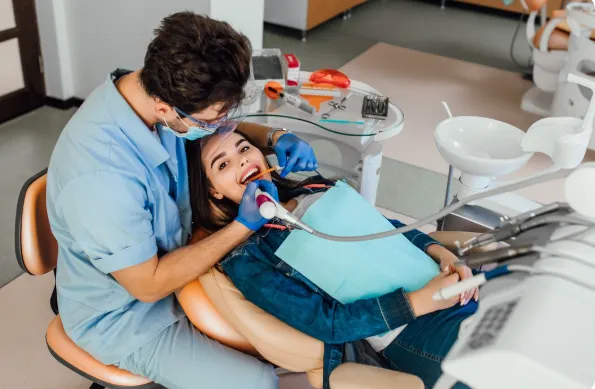
Routine dental visits are essential for early detection and prevention of oral problems. Professional cleaning removes plaque buildup that daily brushing may miss.
A Dentist & Dental Hygienist helps in monitoring oral health, providing preventive care, and guiding families on proper hygiene practices. Regular visits ensure that minor issues are treated before they become serious.
Oral Care for Children and Early Habits
Children require special attention when it comes to dental hygiene. Early habits play a major role in shaping long-term oral health.
Importance of early care:
Helps prevent cavities in baby teeth
Encourages proper jaw and tooth development
Builds comfort with dental visits
Pediatric Dental Care focuses on ensuring children receive age-appropriate oral treatment and guidance to maintain healthy teeth as they grow.
Handling Dental Emergencies in Families
Accidents like tooth fractures, sudden pain, or infections can occur unexpectedly. Immediate attention is crucial in such cases.
Seeking Emergency Dental Care quickly can help reduce pain, prevent complications, and save affected teeth. Families should always be aware of basic first-aid steps and contact a dental professional without delay.
Encouraging Healthy Dental Habits at Home
Creating a positive environment at home makes dental care easier and more effective. Parents play a key role in shaping habits through guidance and encouragement.
Helpful strategies include:
Setting daily brushing reminders
Using engaging oral care tools for kids
Encouraging regular dental visits
Practicing good habits together as a family
When children see adults following good hygiene practices, they are more likely to adopt them naturally.
Long-Term Benefits of Consistent Dental Care
Consistent oral hygiene offers benefits that extend throughout life. It reduces the risk of chronic dental issues and promotes overall well-being.
Healthy teeth contribute to better confidence, improved nutrition, and fewer medical expenses in the long run. Preventive care is always more effective than corrective treatments.
Conclusion: A Lifetime of Healthy Smiles Starts at Home
Maintaining strong teeth and healthy gums requires consistent effort, proper hygiene, and regular dental support for every family member. When families work together to follow good oral habits, it creates a foundation for lifelong dental wellness. If you are looking for professional guidance and complete care for your loved ones, Request an Appointment and Contact The Smile Academy today to ensure your family receives trusted and effective dental support for healthier smiles every day.
Frequently Asked Questions (FAQs)
1. How often should family members visit the dentist?
Most people should visit the dentist every six months for routine checkups and cleaning.
2. What is the best way to teach children oral hygiene?
Lead by example, supervise brushing, and make the routine fun and consistent.
3. Can diet really affect dental health?
Yes, sugary and acidic foods increase the risk of cavities, while a balanced diet strengthens teeth.
4. Why are dental checkups important even without pain?
Regular checkups help detect early issues before they become serious or painful.
5. What should I do during a dental emergency at home?
Stay calm and seek Emergency Dental Care immediately for proper treatment and guidance.


(307) 462-3752
5040 E 2nd St #2, Casper, WY 82609


