

Smile Academy Pediatric Dentistry
Blog
How Pediatric Dentists Help Children Feel Comfortable During Dental Visits
Dental visits can feel unfamiliar or scary for many children. A pediatric dentist understands these feelings and uses special techniques to make appointments calm and positive. From friendly communication to gentle treatments, pediatric dental teams focus on creating trust and comfort. Helping children feel relaxed during dental visits builds healthy habits and encourages lifelong care for their smiles.
Dental visits can sometimes feel scary for children due to unfamiliar surroundings, sounds, or procedures. Pediatric dentists use gentle care, friendly communication, and child-focused techniques to make appointments comfortable and stress-free. These positive experiences help children build confidence and develop healthy dental habits for life.
Why Children May Feel Nervous About Dental Visits
Children often feel nervous about dental visits because they are experiencing a new environment, unfamiliar sounds, or procedures they do not understand. These feelings are common and can be reduced with the right approach.
Dental anxiety may develop when children associate dental visits with fear or discomfort. A supportive dental team helps children understand what will happen and makes each step easier.
Common reasons children feel nervous include:
Fear of unknown equipment
Worry about pain
Previous uncomfortable experiences
Separation from parents during treatment
Feeling unable to communicate their concerns
A pediatric child-friendly dentist is trained to recognize these emotions and respond with patience. Their goal is not only to treat teeth but also to create a positive relationship between children and dental care.
According to the American Academy of Pediatric Dentistry (AAPD), early dental experiences can influence how children view dental care throughout life. Positive interactions during childhood can encourage better oral health habits as adults.
How Pediatric Dentists Create a Comfortable Dental Environment
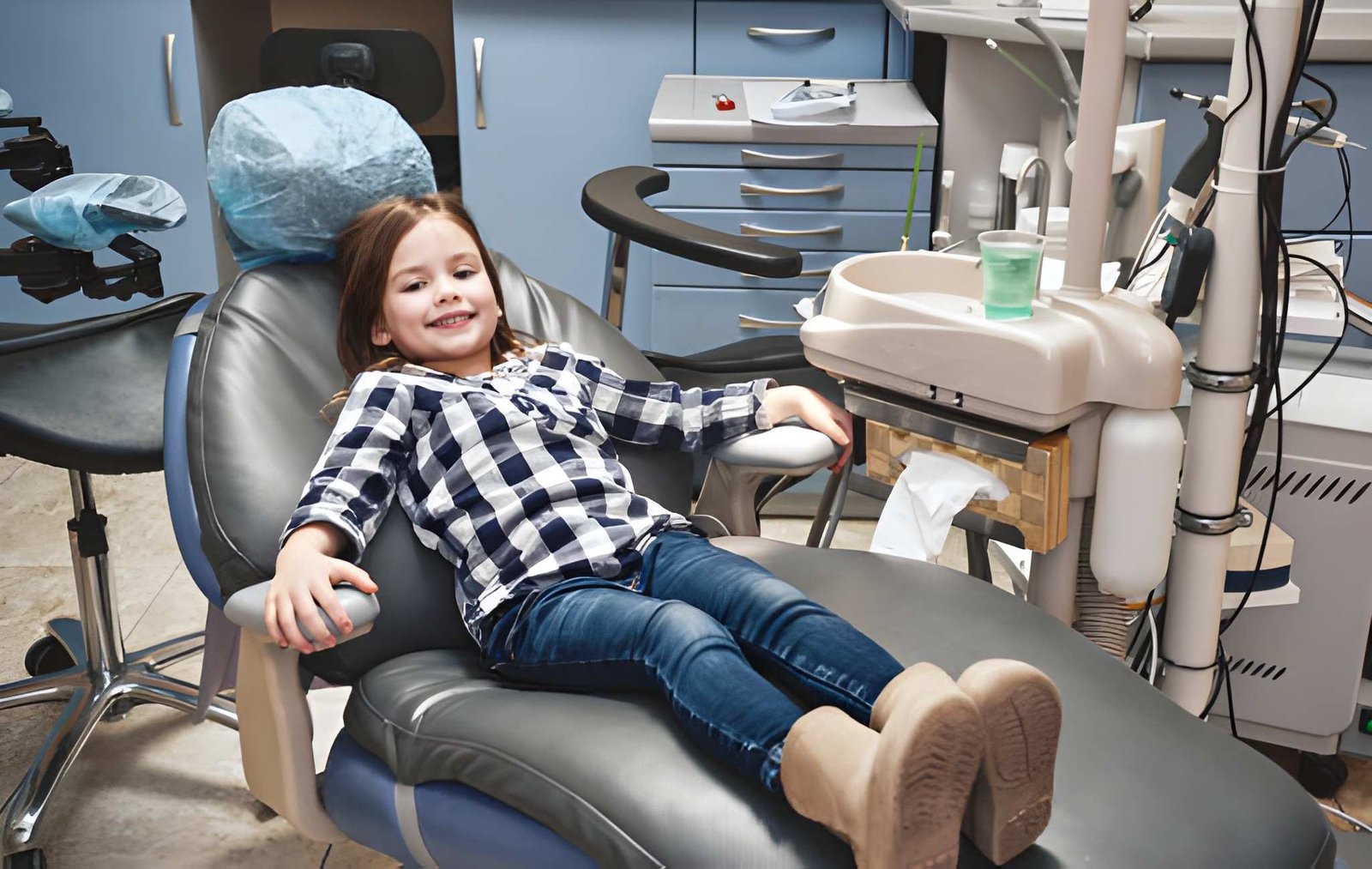
A child-friendly dental environment plays an important role in reducing fear. Pediatric dental offices are designed around children’s emotional and physical needs.
Dentists use simple explanations, friendly conversations, and age-appropriate methods to help children feel safe. The environment often includes welcoming colors, comfortable spaces, and staff members who understand children’s behavior.
A comfortable setting helps children:
Feel more relaxed
Build trust with dental professionals
Understand dental procedures
Develop confidence during appointments
Pediatric dentistry cheyenne focuses on providing care that considers both dental health and emotional comfort.
Using Simple Language to Explain Dental Procedures
Children may become worried when they hear unfamiliar dental terms. Pediatric dentists explain treatments using simple words that children can understand.
Instead of using complicated explanations, dentists describe procedures in a friendly way. This helps children know what to expect and reduces fear.
For example, a dentist may explain tools and treatments before starting. Allowing children to ask questions helps them feel involved and more comfortable.
Positive Communication Helps Reduce Fear
Communication is one of the most effective ways to improve a child’s dental experience. Pediatric dentists use encouragement, kindness, and patience during appointments.
Positive communication includes:
Praising children for cooperation
Listening to their concerns
Giving them time to adjust
Explaining each step before treatment
These techniques help children develop trust and feel more confident during future visits.
Techniques Pediatric Dentists Use to Reduce Dental Anxiety
Dental anxiety is common among children, but pediatric dentists use proven methods to make visits easier. The focus is on creating a calm experience while providing necessary dental care.
Research published by dental health organizations shows that behavior guidance techniques can help children cooperate better during dental procedures and improve their comfort.
Tell-Show-Do Method
The Tell-Show-Do method is widely used in pediatric dental care. It involves explaining a procedure, showing the child what will happen, and then performing the treatment.
This method helps children understand the process before it begins. Knowing what to expect can reduce fear and increase cooperation.
Distraction Techniques
Distraction helps children focus on something positive during their appointment. Dentists may use conversations, music, videos, or simple activities to keep children relaxed.
Distraction techniques can make procedures feel shorter and less stressful for young patients.
Gentle Dental Care Approach
Gentle dental care focuses on providing treatment while respecting a child’s emotions and comfort level.
Pediatric dentists take extra time to build trust before beginning treatment. They understand that every child reacts differently and adjust their approach accordingly.
The Importance of a Positive Dental Experience for Children
A positive dental experience during childhood can influence future dental behavior. Children who feel comfortable at the dentist are more likely to continue regular visits as they grow.
A good experience helps children:
Develop healthy dental habits
Feel confident during appointments
Reduce fear of dental care
Understand the importance of oral hygiene
Parents also play an important role. Speaking positively about dental visits and maintaining regular appointments can help children develop a healthier attitude toward dental care.
How Parents Can Prepare Children Before a Dental Visit
Parents can make dental visits easier by preparing children in advance. Simple preparation can reduce worry and create a more comfortable experience.
Helpful steps include:
Explaining that the dentist helps keep teeth healthy
Avoiding scary words related to treatment
Reading children’s dental books
Staying calm and positive
Scheduling visits at a comfortable time
Parents should avoid sharing personal fears about dentists because children often copy adult emotions.
How Regular Dental Visits Support Children’s Oral Health
Regular dental visits are important because children’s teeth change quickly as they grow. Routine checkups allow dentists to monitor development and prevent problems early.
The Centers for Disease Control and Prevention (CDC) reports that cavities are one of the most common chronic diseases among children. Regular preventive care can significantly reduce the risk of tooth decay.
During routine visits, dentists may provide:
Dental cleanings
Fluoride treatments
Cavity prevention advice
Growth monitoring
Oral hygiene education
Early dental care supports stronger teeth and healthier smiles.
Helpful Pediatric Dental Care Tips for Parents
Parents can support their child’s dental health by creating simple routines at home. Daily habits combined with professional care help prevent many common dental problems.
Important Pediatric Dental Care Tips include:
Encourage brushing twice daily
Help young children brush properly
Limit sugary snacks and drinks
Encourage water consumption
Replace toothbrushes regularly
Maintain routine dental appointments
Good habits at home make dental visits easier because children become familiar with caring for their teeth.
Conclusion: Creating Comfortable Dental Visits for a Lifetime of Healthy Smiles
Helping children feel comfortable during dental visits is an important part of building lifelong oral health habits. Pediatric dentists use patience, gentle techniques, and child-friendly communication to reduce fear and create positive experiences. With regular checkups, proper guidance, and support from parents, children can develop confidence and maintain healthier smiles.
If you want your child to receive caring and comfortable dental support, Contact us The Smile Academy today and book the denatl appointment for a positive dental experience that supports your child’s future oral health.
Frequently Asked Questions About Comfortable Pediatric Dental Visits
1. How do pediatric dentists help children feel comfortable during visits?
Pediatric dentists use friendly communication, gentle techniques, and child-focused approaches to reduce fear. They create a safe environment where children can feel relaxed and confident.
2. What can parents do to reduce dental anxiety in children?
Parents can prepare children by speaking positively about dental visits, avoiding scary words, and explaining that the dentist helps keep their teeth healthy. Regular visits also build familiarity.
3. When should a child have their first dental visit?
Children should have their first dental visit by their first birthday or within six months after the first tooth appears. Early visits help prevent problems and create healthy habits.
4. Why is a positive dental experience important for children?
A positive dental experience helps children develop trust and reduces fear of future appointments. It encourages better oral care habits throughout life.
5. Can pediatric dentists provide treatment for dental emergencies?
Yes, pediatric dentists can help with urgent dental concerns such as tooth injuries, severe pain, or infections. Emergency Dental Care helps protect a child’s smile when immediate attention is needed.


(307) 462-3752
5040 E 2nd St #2, Casper, WY 82609


