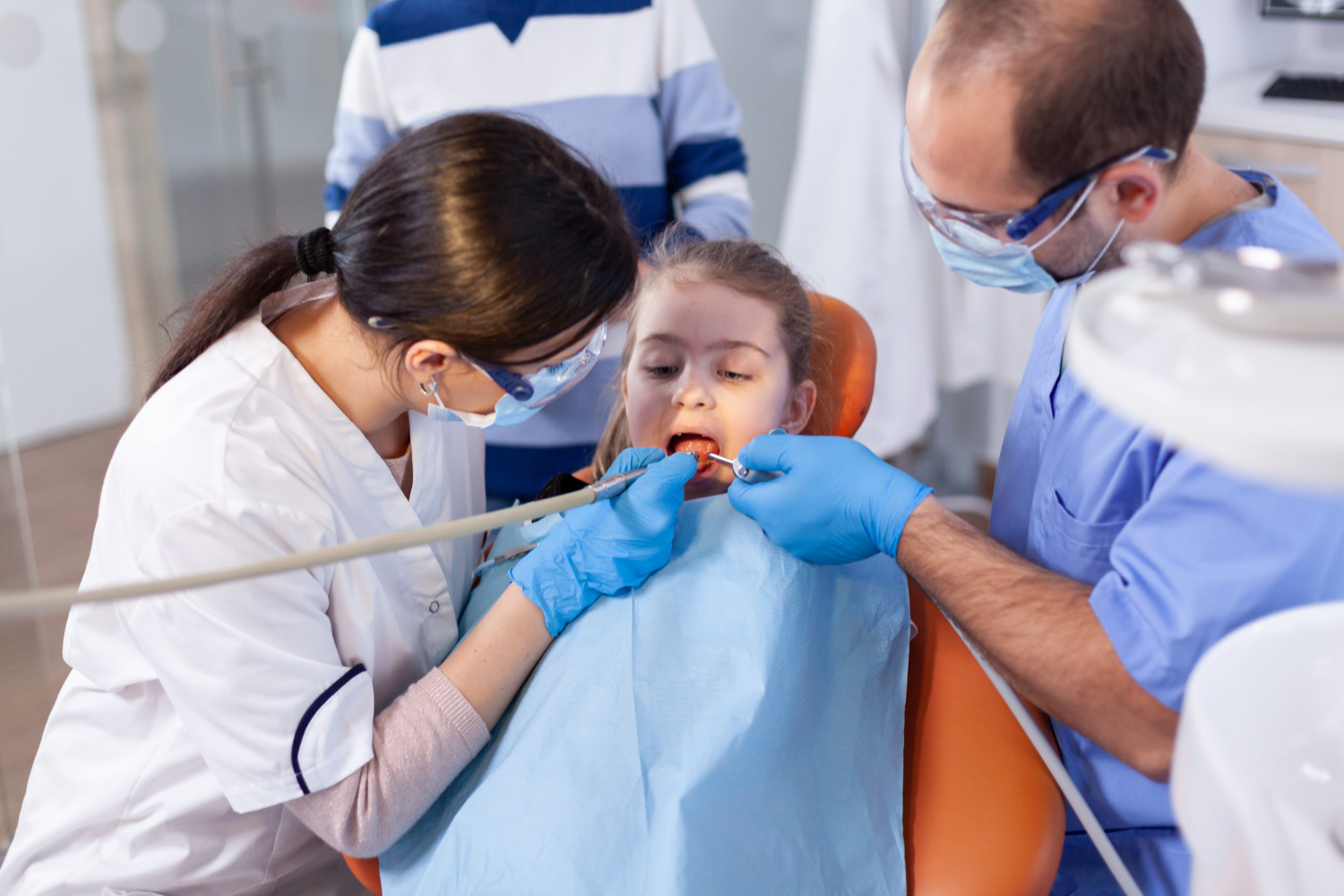
Why Your Child’s First Dental Visit Should Be by Age One
Parents often think dental visits are only needed when kids are older. However, oral health actually begins much earlier than many expect. The first few years of life are very important for shaping healthy teeth, gums, and habits that last into adulthood. This is why experts strongly recommend early dental care.
The child’s first dental visit to age one is not just a routine check. It is a key step in protecting your child’s smile from early problems like tooth decay, feeding issues, and gum concerns. At this stage, even one or two teeth can benefit from professional care and guidance.
Early visits also help parents understand how to care for baby teeth properly. From brushing techniques to feeding habits, dentists provide support that prevents future issues. This early start builds comfort, reduces fear, and helps children grow up with a positive attitude toward dental care.
What Experts Say About First Dental Visits
Dental professionals around the world agree that early dental visits are essential for healthy development. The American Academy of Pediatric Dentistry recommends that a child see a dentist by age one or within six months after the first tooth appears. This guideline is followed to ensure early detection of any issues.
Research shows that children who visit the dentist early are less likely to develop severe cavities later in life. According to the CDC, early preventive dental care can reduce the risk of tooth decay by up to 40%. This is especially important because tooth decay is one of the most common chronic diseases in children.
Following pediatric dentist recommendations also help parents learn about teething, oral hygiene, and nutrition. These early lessons create a strong foundation for lifelong oral health and reduce the need for complex treatments later.
Why Age One Is the Right Time
Many parents ask why the first dentist visits the baby and why age 1 is considered ideal. At this stage, most babies have at least one tooth, and the mouth is going through rapid changes. This makes it the perfect time to check if everything is developing normally.
At age one, dentists can identify early signs of decay, alignment issues, or gum sensitivity. They also guide parents on how to clean teeth properly as more teeth begin to appear. This helps prevent problems before they become painful or expensive.
Another reason for this timing is habit formation. Early visits help children become familiar with the dental environment. This reduces fear and anxiety in future visits, making dental care a normal and stress-free experience.
Understanding Baby Teeth Development
Baby teeth begin forming before birth and usually start appearing between 4 to 7 months of age. By age three, most children have a full set of 20 primary teeth. These teeth play a major role in chewing, speaking, and guiding permanent teeth into place.
Understanding how early baby teeth helps parents know what to expect. Some children may have teeth early, while others may take longer. Both are normal, but regular dental visits ensure everything is on track.
Tracking dental milestones infants is important because it helps dentists spot delays or abnormalities early. For example, delayed eruption or unusual spacing can sometimes indicate underlying health concerns that need attention.
Benefits of Early Dental Visits
Early dental visits provide long-term benefits that go far beyond just checking teeth. They help prevent disease, improve habits, and support emotional comfort.
Preventing Tooth Decay and Disease
Tooth decay is one of the most common childhood conditions worldwide. The World Health Organization reports that nearly 45% of children show signs of dental cavities before school age. Early dental visits help reduce this risk through preventive care and education.
Building Strong Oral Hygiene Habits
You can also visit the various online sources to find more information about dental care services.
Reducing Dental Anxiety
Children who visit the dentist early are less likely to develop fear. They become familiar with the sounds, tools, and environment, which helps them stay calm during future visits.
What Happens During the First Visit
The first dental visit is simple, gentle, and focused on comfort. It usually lasts less than an hour and is designed to make both the child and parent feel relaxed.
Gentle Oral Examination
The dentist checks the baby’s teeth, gums, jaws, and bites. This helps ensure proper development and identifies any early concerns. The process is non-invasive and painless.
Parent Education and Guidance
Parents receive detailed advice on brushing, teething, thumb sucking, and bottle feeding. This education is one of the most valuable parts of the visit.
Preventive Cleaning and Tips
If needed, light cleaning may be done. The dentist may also demonstrate how to clean baby teeth properly at home.
Clinics offering pediatric dentistry services focus on making this experience calm, friendly, and supportive for families.
Signs Your Baby Needs Early Dental Care
Sometimes babies may need dental care even before age one. Early signs should never be ignored because they may indicate developing issues.
Common signs include white or brown spots on teeth, swollen gums, difficulty feeding, or unusual fussiness. These may suggest early decay or discomfort.
In such cases, visiting a dentist early can prevent complications. Clinics like pediatric dentistry Laramie are trained to handle these early concerns with gentle care.
Tips to Prepare Your Child for the First Visit
Preparation plays a big role in making the first visit smooth and stress-free. A calm and positive approach helps children feel safe.
Choose the Right Timing
Pick a time when your baby is well-rested and fed. This helps reduce fussiness during the visit.
Stay Relaxed and Positive
Babies pick up emotions. If parents stay calm, children are more likely to feel secure.
Bring Familiar Comfort Items
A toy, blanket, or pacifier can help soothe your child during the appointment.
Clinics offering caper children's dental clinic services often design their spaces to be child-friendly and welcoming.
Role of Parents in Early Oral Health
Parents are the first line of defense in maintaining oral health. Daily care at home plays a major role in preventing future problems.
Cleaning baby teeth should begin as soon as the first tooth appears. Using a soft brush and water or a small amount of toothpaste helps keep teeth clean.
Healthy feeding habits also matter. Avoiding sugary drinks and not letting babies sleep with bottles can prevent early decay.
Following WY pediatric dentistry guidelines help parents stay on track with proper care and regular checkups.
Common Myths About Baby Dental Visits
There are many misconceptions about early dental care that can delay important visits.
One common myth is that baby teeth do not matter because they fall out. They guide permanent teeth and affect speech development.
Another myth is that dental visits are only needed when pain appears. However, preventive care is far more effective than treatment after problems start.
Understanding the truth helps parents make informed decisions and protect their child’s health.
Choosing the Right Pediatric Dentist
Selecting the right dentist ensures your child receives proper care in a safe and comfortable environment.
Look for experience in treating infants and young children. A gentle approach is very important at this age.
Clinics that offer children's dentistry services often create a friendly atmosphere with child-focused care techniques.
Choosing trusted providers helps build long-term confidence in dental care.
Long-Term Importance of Early Visits
Early dental visits shape lifelong oral health habits. Children who start early are more likely to maintain healthy teeth as adults.
Preventive care reduces the need for fillings, extractions, and emergency treatments later. It also lowers healthcare costs over time.
More importantly, early visits create positive experiences that reduce fear and encourage regular checkups throughout life.
Conclusion
Starting dental care early gives your child the best chance for a healthy smile. The child’s first dental visit to age one helps prevent problems, build confidence, and guide parents in daily care. Early action creates lifelong benefits and reduces future dental issues. Do not wait—Contact us at The Smile Academy today and request an appointment to give your child a strong, healthy, and happy dental start.
FAQs
1. Why should my child visit the dentist by age one?
Early visits help prevent decay, monitor development, and build healthy habits from the start.
2. What if my baby has only one tooth?
Even one tooth needs care. Dentists check early growth and guide parents on cleaning.
3. Is the first dental visit painful for babies?
No, it is gentle and focused on checking and education, not treatment.
4. How often should my child visit the dentist?
Most children should visit every six months after their first appointment.
5. Can early visits really prevent cavities?
Yes, preventive care and parental guidance significantly reduce the risk of cavities.
