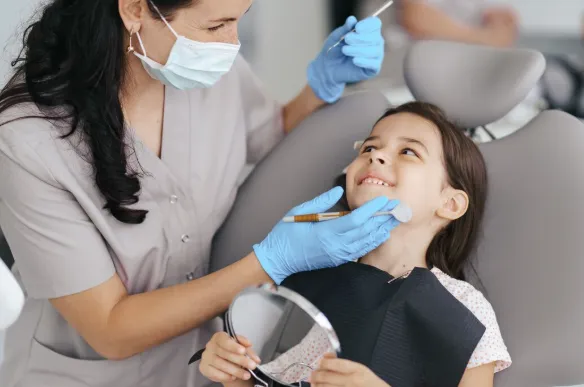
Oral Health Tips for Kids & Families — Prevention, Hygiene & Smile Care
Ensuring proper oral health from an early age sets the foundation for lifelong dental wellness. Parents and caregivers need reliable guidance on maintaining healthy teeth and gums, making children’s oral health tips essential. From brushing techniques to cavity prevention strategies, understanding how to promote dental hygiene in kids helps protect their smiles while building lifelong habits.
Pediatric dentistry emphasizes early education, consistent routines, and preventive care to reduce dental issues. Incorporating daily habits, regular dental visits, and family involvement ensures children grow up with strong teeth, healthy gums, and positive attitudes toward oral hygiene.
The Importance of Early Dental Habits
Starting dental care early makes a significant difference in overall oral health.
Building Good Routines
Introducing brushing and flossing at a young age establishes a foundation for lifelong habits. Children who learn proper care early are more likely to maintain good hygiene as they grow.
Preventing Common Issues
Dental problems such as cavities, gum disease, and tooth misalignment are often preventable through education and consistent care. Family dental services emphasize prevention and routine checkups to maintain healthy smiles.
Brushing Tips for Kids
Brushing is the cornerstone of oral health. Effective brushing helps remove plaque, food debris, and bacteria.
Choosing the Right Tools
Soft-bristled toothbrushes designed for small mouths are ideal. Fluoride toothpaste protects enamel and strengthens teeth against decay.
Proper Brushing Techniques
Teach children to brush in gentle circular motions, covering all tooth surfaces. Brushing tips kids should follow include brushing for two minutes twice daily and replacing toothbrushes every three months or after illness.
Making Brushing Fun
Use songs, timers, or colorful toothbrushes to motivate children. Positive reinforcement encourages consistency without turning brushing into a chore.
Flossing and Interdental Care
Flossing removes plaque from between teeth where toothbrushes can’t reach.
Introducing Floss Early
Parents can use floss picks or pre-threaded floss to help children develop their habits. Begin flossing when two teeth touch to prevent cavities in tight spaces.
Technique Tips
Guide children to gently curve floss around each tooth and move it up and down without snapping. Proper technique ensures effective cleaning and reduces gum irritation.
Cavity Prevention Strategies
Cavities are one of the most common childhood dental issues.
Limiting Sugary Foods and Drinks
Excess sugar feeds cavity-causing bacteria. Encourage a balanced diet rich in fruits, vegetables, and water to reduce risk.
Sealants and Fluoride Treatments
Pediatric dentistry often includes protective sealants on molars and fluoride treatments to strengthen enamel and prevent decay.
Routine Checkups
Regular dental visits allow early detection and treatment of cavities. Children’s dentistry focuses on prevention and monitoring dental development.
Dental Hygiene Education for Families
Education is critical for reinforcing oral health habits.
Teaching Proper Techniques
Demonstrate brushing, flossing, and rinsing to children and explain why each step matters. Visual aids and models help kids understand how to care for their teeth.
Engaging the Whole Family
Family dental services, encouraging parents and siblings to model good habits. Shared routines strengthen compliance and make oral care part of daily life.
Addressing Common Pediatric Dental Issues
Even with proper care, some dental issues may occur.
Sensitive Teeth
Children may experience sensitivity due to enamel wear or cavities. Pediatric dentists recommend specific toothpaste and gentle brushing to reduce discomfort.
Gum Health
Swollen or bleeding gums can indicate improper brushing or early signs of gum disease. Prompt dental visits help prevent long-term problems.
Misaligned Teeth
Early evaluation by pediatric dentistry helps detect alignment concerns. Interventions such as orthodontic guidance can prevent complications in adolescence.
Oral Health During Special Situations
Certain situations require extra attention to oral hygiene.
Medications and Medical Conditions
Some medications reduce saliva flow, increasing cavity risk. Discuss preventive strategies with oral health services to maintain protection.
Orthodontic Appliances
Braces or retainers require careful cleaning. Specialized brushes, floss threaders, and routine checkups ensure dental hygiene is maintained.
Integrating Oral Health into Daily Life
Consistency and convenience encourage lifelong habits.
Establishing Routines
Morning and bedtime routines that include brushing, flossing, and rinsing reinforce good behavior. Track progress with charts or reward systems.
Creating Positive Experiences
Visits to the dentist should be framed positively. Pediatric dentistry emphasizes education and comfort to reduce anxiety and encourage proactive care.
Nutrition and Its Role in Healthy Smiles
Dietary choices directly impact oral health.
Foods that Strengthen Teeth
Calcium-rich foods like milk, cheese, and yogurt support enamel health. Crunchy vegetables stimulate gums and help clean teeth naturally.
Avoiding Sugary Snacks
Limit candies, soda, and sweetened beverages. Encourage water and healthy snacks to reduce acid attacks on teeth.
Leveraging Professional Services
Regular professional care supports home routines.
Pediatric Dentistry and Checkups
Children’s dentistry provides exams, cleanings, fluoride treatments, and guidance tailored to young patients.
Family Dental Services
Family-focused oral health services ensure the entire household receives care and education. Dental care routines can be reinforced with professional support.
Additional Support
Oral health services can include preventive programs, nutritional advice, and personalized recommendations for brushing, flossing, and cavity prevention.
Conclusion
Promoting healthy teeth and gums requires consistent attention, education, and professional care. Following children’s oral health tips, including proper brushing, cavity prevention strategies, and routine dental visits, families can ensure long-term oral wellness. Pediatric dentistry and family dental services provide guidance, treatments, and support to keep kids smiling confidently. If you want to safeguard your child’s oral health and establish effective dental habits, schedule a visit with trusted oral health services today to create a personalized care plan.
FAQs
1. When should children first visit a dentist?
Children should have their first dental visit by age one or within six months of their first tooth eruption.
2. How often should kids brush and floss?
Children should brush twice daily and floss once daily. Supervision is recommended until they can perform these tasks independently.
3. Are dental sealants necessary for kids?
Sealants are highly recommended for molars and teeth prone to decay. They provide an extra layer of protection against cavities.
4. How can I make brushing fun for my child?
Use timers, songs, or themed toothbrushes, and praise children for consistent brushing to encourage positive habits.
5. What are signs my child needs a dental visit sooner?
Tooth pain, sensitivity, bleeding gums, or visible cavities indicate a prompt dental appointment is necessary.
