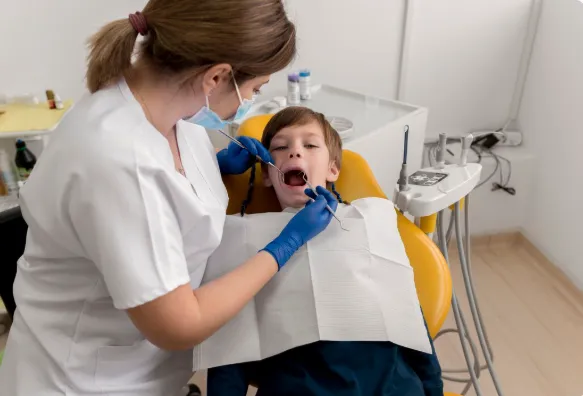
What to Do When Your Child Has a Toothache or Dental Emergency
A dental emergency for kids' situation can be stressful for both parents and children. Toothaches, chipped teeth, knocked-out teeth, or sudden pain require immediate attention. Knowing how to respond is essential to reduce pain, prevent infection, and protect your child’s long-term oral health. Following reliable toothache advice and understanding emergency protocols ensures your child receives timely care.
Pediatric dentistry emphasizes quick intervention, accurate assessment, and proper at-home care until professional treatment is available. Family dental services and oral health services provide structured guidance for parents to manage emergencies effectively.
Understanding Common Dental Emergencies in Children
Recognizing the type of dental issue helps determine the urgency and appropriate response.
Toothaches
Toothaches often result from cavities, infection, or injury. Pain may be mild or severe and can occur suddenly or gradually.
Chipped or Broken Teeth
Accidental falls or collisions can chip or fracture teeth. The severity of the damage impacts treatment urgency.
Knocked-Out Teeth
Permanent teeth that are knocked out require immediate attention to maximize chances of reimplantation. Milk teeth may require monitoring to ensure proper alignment.
Soft Tissue Injuries
Cuts or lacerations to gums, lips, or tongue may need cleaning, protective measures, or professional evaluation.
Initial At-Home Care for Toothaches
Immediate actions at home can reduce pain and prevent further damage.
Pain Management
Use age-appropriate over-the-counter pain relief as recommended by a pediatric dentist. Cold compresses applied to the outside of the cheek can help reduce swelling and discomfort.
Oral Rinsing
Rinsing with warm salt water can help cleanse the area and soothe irritation. Avoid alcohol-based rinses for children.
Temporary Measures for Sensitivity
Avoid very hot, cold, or sugary foods until professional care is obtained. Soft foods are recommended to reduce pressure on the affected teeth.
When to Call the Dentist
Knowing when to escalate care is critical for preventing complications.
Immediate Dental Contact
Call your child’s dentist if there is severe pain, swelling, fever, or visible signs of infection. Emergencies such as knocked-out permanent teeth require urgent dental attention.
Scheduled Evaluation
Minor discomfort or sensitivity can be evaluated during routine dental care if symptoms persist beyond a day or two. Pediatric dentistry often recommends early intervention to prevent worsening issues.
Emergency Dental Care Guide
Keep a list of emergency contacts, including your child’s dentist, nearby emergency dental clinics, and after-hours phone numbers. Familiarity with these resources helps reduce stress during urgent situations.
Handling Specific Dental Emergencies
Different emergencies require tailored responses.
Chipped or Fractured Teeth
Rinse the mouth gently with water and save any broken pieces if possible. Cover sharp edges with sugarless gum or dental wax until treatment.
Knocked-Out Teeth
Rinse the tooth gently without scrubbing, keep it moist in milk or saline, and contact a pediatric dentistry professional immediately.
Severe Toothache With Swelling
Apply cold compresses externally and avoid applying aspirin directly to the gums or tooth. Swelling can indicate infection requiring prompt care.
Loose or Displaced Teeth
Encourage the child to avoid chewing on the affected side and contact a dentist to stabilize the tooth if necessary.
Preventive Measures to Reduce Emergencies
Preventing dental emergencies is easier than dealing with them.
Protective Gear
Use mouthguards during sports and play activities to protect teeth from trauma.
Oral Hygiene Habits
Regular brushing, flossing, and dental checkups prevent decay and reduce the risk of toothaches. Dental care routines recommended by children's dentistry professionals are key to prevention.
Nutrition and Diet
Limit sugary snacks and drinks to reduce the risk of cavities, which are a common cause of toothaches. Encourage a diet rich in calcium and other nutrients that strengthen teeth.
Professional Treatment Options
Professional intervention ensures proper diagnosis and treatment.
Pediatric Dentistry Services
Pediatric dentists provide specialized care for children’s dental emergencies, including fillings, crowns, root canals, or tooth reimplantation.
Family Dental Services Support
Family dental services can coordinate care for siblings or multiple family members, ensuring all children maintain regular oral health and emergency readiness.
Ongoing Oral Health Services
Routine dental visits allow professionals to monitor growth, alignment, and preventive needs, reducing the frequency and severity of dental emergencies.
Managing Anxiety During Dental Emergencies
Children may feel scared or stressed during toothaches or injuries.
Preparing Children Mentally
Explain procedures in simple language, reassure them, and maintain a calm demeanor to reduce fear.
Using Distraction Techniques
Books, videos, or favorite toys can help children remain calm while awaiting treatment.
Positive Reinforcement
Praise children for cooperation and bravery. Reward systems can reinforce positive dental behavior for future visits.
Long-Term Oral Health Education
Emergency situations are opportunities to teach lifelong habits.
Teaching Proper Oral Hygiene
Emphasize the importance of brushing twice daily, flossing, and rinsing to prevent cavities and gum issues.
Explaining Consequences
Help children understand how injuries and decay can affect comfort, appearance, and overall health.
Reinforcing Routine Checkups
Regular dental visits with oral health services, ensure children maintain healthy teeth and receive professional guidance for prevention.
Conclusion
Dental emergencies in children can be stressful but knowing how to respond makes a significant difference. Following dental emergency kid's guidelines, implementing at-home care, and recognizing when to call a dentist ensures timely and effective treatment. Pediatric dentistry, children's dentistry, and family dental services provide professional care to manage pain, repair damage, and maintain long-term oral health. If your child experiences a toothache or urgent dental issue, contact a trusted dental professional immediately to receive guidance and schedule emergency care.
FAQs
1. How should I manage a child’s toothache at home?
Use age-appropriate pain relief, rinse with warm salt water, and avoid hard or sugary foods until professional care is available.
2. When is a dental emergency urgent?
Severe pain, swelling, fever, or knocked-out permanent teeth require immediate dental attention.
3. Can milk teeth be reimplanted if knocked out?
Generally, primary teeth are not reimplanted, but a pediatric dentist should evaluate for alignment and oral health implications.
4. How can I prevent dental emergencies?
Protective mouthguards, consistent brushing and flossing, routine checkups, and a balanced diet help reduce emergencies.
5. What should I do if my child swallows a dental filling or piece of tooth?
Monitor for discomfort or choking and contact your dentist for advice. Most small pieces pass safely, but professional guidance is important.
