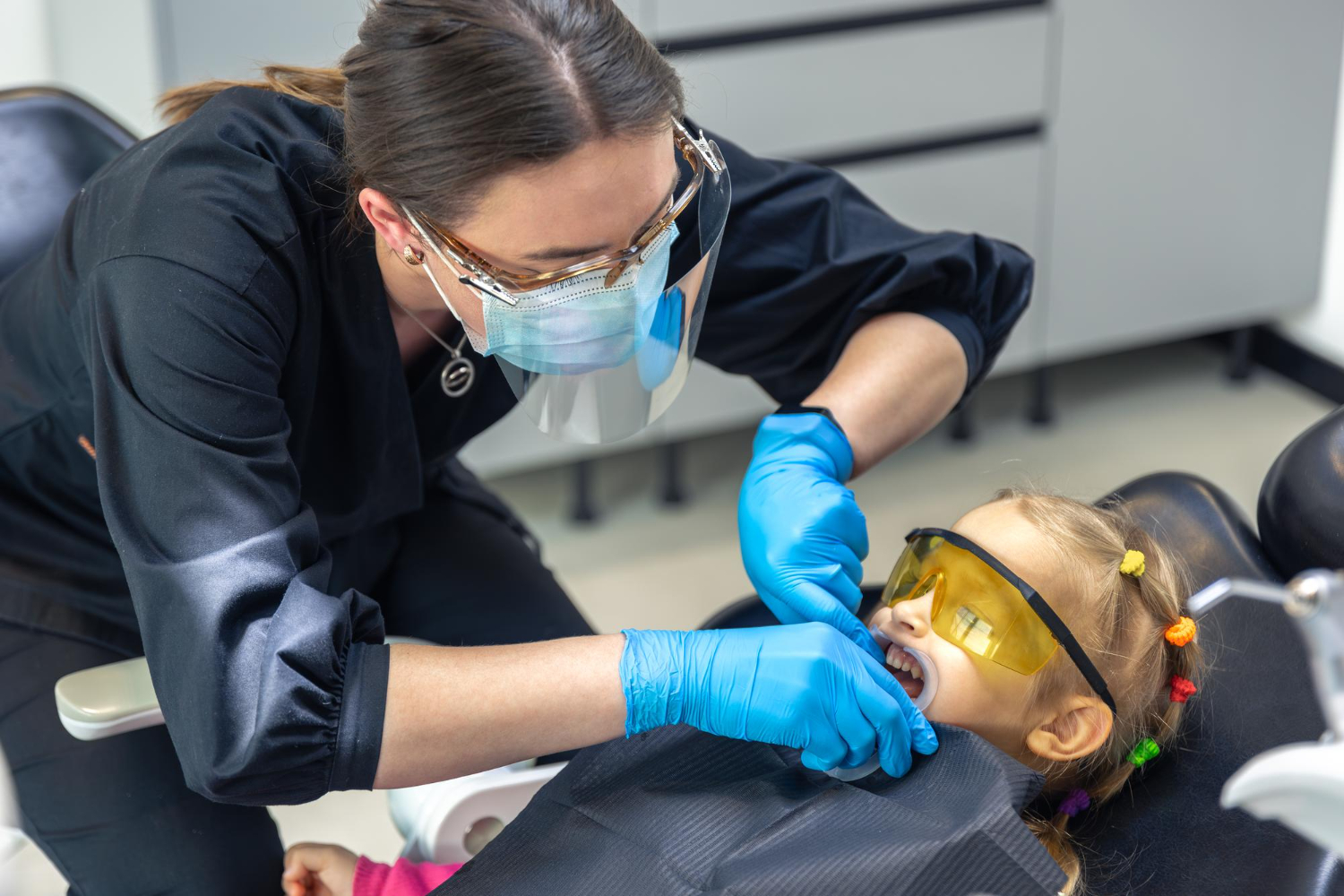
Emergency Dental Care — Toothaches, Broken Teeth & Same-Day Care
Dental problems can happen when you least expect them. One moment you feel fine, and the next, you may have sharp pain or a broken tooth. These issues can make it hard to eat, sleep, or even talk. Getting help quickly is very important to avoid more damage and pain.
Many people delay care because they think the pain will go away. But dental issues often get worse without treatment. A small cavity can turn into a serious infection. According to the World Health Organization, untreated dental problems affect billions of people and can impact daily life. Quick care can stop this from happening.
If you are searching for an emergency dentist in Wyoming, you need fast and reliable help. Emergency dental services are designed to treat pain, injuries, and infections right away. With same-day appointment options, you can get relief quickly and protect your smile.
What Is Emergency Dental Care?
Emergency dental care is a treatment for serious dental problems that need quick help. These problems include pain, swelling, bleeding, or damage to teeth. Acting fast can prevent bigger issues. According to the American Dental Association, quick care can reduce the risk of infection and tooth loss by up to 70%.
Emergency care is not only for adults. Dental emergencies kids also need fast attention to protect growing teeth.
Common Dental Emergencies You Should Know
Dental emergencies can happen at any time. Knowing the signs helps you act quickly. Here are some common cases that need urgent dental care.
Severe Toothache
A strong toothache may mean infection or decay. Pain that lasts more than a day should not be ignored. Studies show that untreated cavities affect over 2.3 billion people worldwide (WHO). Rinse your mouth with warm water and avoid very hot or cold foods until you see a dentist.
Broken or Chipped Tooth
Teeth can break due to falls, sports injuries, or biting hard food. A broken tooth can expose nerves and cause pain. Save any broken pieces and rinse your mouth gently. Visit a clinic as soon as possible for repair.
Knocked-Out Tooth
A knocked-out tooth needs to be careful within 30–60 minutes. This is called the “golden hour.” Place the tooth in milk or clean water and go for a same-day appointment. Quick action can help save the teeth.
Swelling or Abscess
Swelling in gums or face may be a sign of infection. This can spread to other parts of the body if not treated. The CDC reports that dental infections can lead to serious health risks if ignored. Immediate care is needed.
Why Same-Day Dental Care Matters
Same-day care helps stop pain fast and prevents more damage. It also lowers the chance of infection spreading. Many clinics now offer same-day appointment services for emergencies.
Quick care improves outcomes. Research shows that early dental treatment reduces long-term costs by up to 40%. It also helps patients feel better faster and return to daily life sooner.
Emergency Dental Care for Children
Children are active and may face dental injuries while playing. Dental emergencies of kids need special care because their teeth are still developing.
Clinics offering pediatric dentistry services focus on gentle and safe treatment. For example, pediatric dentistry Laramie clinics use child-friendly tools and methods. Parents should act quickly if a child has pain, bleeding, or a broken tooth.
What to Do Before You Reach the Dentist
Taking the right steps before reaching a clinic can help reduce pain and damage.
For Toothache
Rinse with warm salt water and take mild pain relief if needed. Avoid placing aspirin directly on the gums.
For Broken Teeth
Save the piece and rinse your mouth. Avoid chewing on that side.
For Knocked-Out Teeth
Hold the tooth with the crown, not the root. Keep it moist and reach a clinic fast. These simple steps can protect your teeth until you get urgent dental care.
Services Offered in Emergency Dental Care
Emergency clinics provide many treatments to handle urgent cases.
Pain Relief Treatment
Dentists identify the cause of pain and treat it. This may include cleaning, medication, or root canal treatment.
Tooth Repair
Broken or chipped teeth are fixed using bonding, crowns, or veneers.
Infection Control
Abscesses are treated with drainage and antibiotics to stop infection.
Tooth Replacement
If a tooth cannot be saved, dentists may suggest implants or bridges later.
Clinics like caper childrens dental clinic services also provide care designed for kids in emergencies.
How to Choose the Right Emergency Dentist
Choosing the right clinic is important for fast and safe care.
Availability
Look for clinics that offer same-day appointment options.
Experience
Choose dentists trained in handling emergencies.
Child-Friendly Care
If you have kids, select clinics offering children's dentistry services with a calm environment.
Reviews and Trust
Check patient reviews and ratings. Trusted clinics often provide better care and clear communication.
Preventing Dental Emergencies
Many dental emergencies can be avoided with simple habits.
Maintain Oral Hygiene
Brush twice a day and floss daily. Good habits reduce decay and infection risk.
Wear Mouthguards
Use mouthguards during sports to protect your teeth.
Avoid Hard Foods
Do not bite ice or very hard items that can crack teeth.
Regular Checkups
Visit your dentist every six months. Early care prevents bigger problems. The National Institute of Dental and Craniofacial Research states that preventive care reduces emergency visits by nearly 30%.
Cost and Insurance for Emergency Dental Care
The cost of emergency care depends on the problem and treatment needed. Simple fixes like fillings cost less, while procedures like root canals or crowns cost more. You can also visit the various online sources to find more information about dental care services.
Many clinics accept insurance and offer payment plans. Acting early often reduces costs because small problems are easier to treat than advanced ones.
When to Seek Immediate Help
Do not wait if you notice these signs:
·Severe pain that does not stop
·Bleeding that continues
·Swelling in face or gums
·Fever with dental pain
·Broken or knocked-out tooth
These signs mean you need urgent dental care right away.
The Role of Modern Technology in Emergency Dentistry
Modern tools help dentists treat emergencies faster and better. Digital X-rays show problems quickly. Laser treatments reduce pain and healing time. Same-day crowns can fix teeth in one visit.
These advancements improve success rates and patient comfort. Many clinics now use these tools to provide more care.
Why Acting Fast Saves Your Smile
Delaying treatment can lead to serious problems. A small cavity can turn into infection. A broken tooth can worsen. Fast action protects your teeth and health.
Studies show that early dental care improves recovery and reduces complications. It also helps maintain your natural smile.
Contact and Appointment
If you are facing dental pain or injury, do not wait. Contact us The Smile Academy for quick help. You can request an appointment and get expert care the same day.
Conclusion
Dental emergencies can happen anytime, but quick action makes a big difference. Whether it is a toothache, broken tooth, or swelling, getting care fast can save your tooth and stop pain. Waiting can make the problem worse and lead to costly treatment. Contact us The Smile Academy today and request an appointment for same-day care and fast relief.
FAQs
1. What is considered a dental emergency?
A dental emergency includes severe pain, broken teeth, swelling, or bleeding that needs quick care.
2. Can I go to the ER for a toothache?
ERs can help with pain, but dentists provide the right treatment for dental problems.
3. How fast should I act for a knocked-out tooth?
You should act within 30–60 minutes for the best chance to save the tooth.
4. Are children treated differently in emergencies?
Yes, kids need special care through pediatric dentistry services for safe treatment.
5. Do emergency dental visits cost more?
They may cost more than regular visits, but early care often saves money in the long run.
