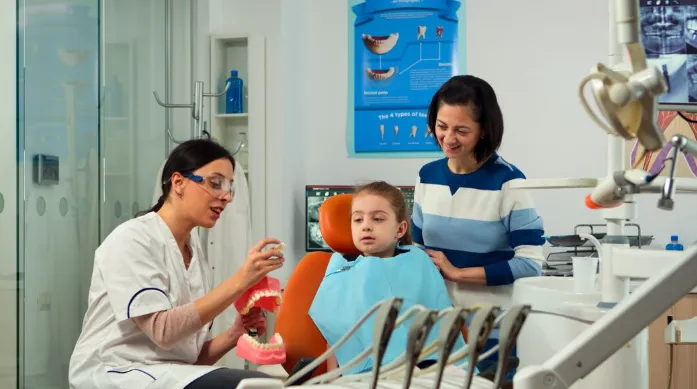
Pediatric Dental Care Tips for Healthy Teeth & Happy Kids | Complete Guide
A child’s smile is not just adorable—it is also a reflection of their overall health and development. Oral health in early years plays a crucial role in shaping long-term dental strength, speech development, eating habits, and confidence. This is why establishing strong hygiene habits from the very beginning is extremely important.
Many parents assume that baby teeth are temporary and therefore not very important. However, these teeth act as placeholders for permanent teeth and help in guiding proper alignment as a child grows. Poor oral care in childhood can lead to cavities, pain, infections, and even long-term dental complications.
Good habits like brushing, flossing, healthy eating, and regular dental checkups build the foundation of strong oral hygiene. With the right guidance and consistency, children can enjoy healthy teeth and pain-free smiles throughout their lives.
Importance of Early Oral Care in Children
Early oral care ensures that a child’s teeth and gums develop properly without complications. Baby teeth are more prone to decay due to thinner enamel, making them highly sensitive to poor hygiene habits.
Benefits of starting early oral care:
Prevents early tooth decay and cavities
Helps in proper speech development
Supports chewing and digestion
Guides permanent teeth alignment
When children start dental care early, they also become more comfortable with dental environments, reducing fear and anxiety later in life.
Daily Brushing Habits for Strong Teeth
Daily brushing is essential to keep children’s teeth healthy and free from cavities. Kids should brush twice a day using a soft-bristled toothbrush and a pea-sized amount of fluoride toothpaste. Proper technique matters, so children should be taught to clean all sides of the teeth—front, back, and chewing surfaces—gently without applying too much pressure.
Proper brushing technique for kids
Brushing is the most basic yet most important part of oral hygiene. Children should brush twice daily using a soft-bristled toothbrush and a pea-sized amount of fluoride toothpaste. Parents should supervise brushing until children are around 7–8 years old.
Brushing should cover all surfaces of teeth, including front, back, and chewing areas. A minimum of two minutes ensures proper cleaning. You can also check different online sources to get more information about pediatric dental care.
Making brushing consistent and fun
Children are more likely to maintain habits when they enjoy them. Parents can:
Use colorful toothbrushes
Set brushing timers or music
Create reward charts
Brush together as a family
This helps build long-term discipline in oral care routines.
Flossing: An Often Ignored but Important Step
Flossing is essential once teeth start touching each other. It removes plaque and food particles that brushing cannot reach.
Why flossing matters:
Prevents cavities between teeth
Reduces gum inflammation
Maintains fresh breath
Improves overall oral cleanliness
Introducing flossing early helps children accept it as a normal part of their routine.
Nutrition and Its Impact on Dental Health
Diet plays a major role in the strength and health of teeth. Sugary foods and acidic drinks are one of the biggest causes of cavities in children.
Healthy food choices for strong teeth:
Milk, cheese, and yogurt for calcium
Fruits like apples and pears
Vegetables like carrots and cucumbers
Protein-rich foods like eggs and beans
Foods to limit:
Candies and chocolates
Carbonated drinks
Sticky and processed snacks
Water should always be encouraged as the primary drink because it helps wash away food particles and bacteria.
Role of Regular Dental Visits
Routine dental visits ensure early detection of oral issues and help maintain healthy development of teeth and gums.
A Dentist & Dental Hygienist plays a key role in:
Professional cleaning of teeth
Monitoring growth and alignment
Identifying cavities early
Guiding parents on oral hygiene practices
Regular visits also help children become familiar with dental environments, reducing fear over time.
Understanding Dental Development Stages in Kids
Children’s dental development happens in stages, and each stage requires different care.
Key stages:
Baby teeth eruption (0–3 years)
Mixed dentition phase (6–12 years)
Permanent teeth development (12+ years)
Each stage needs careful monitoring to ensure proper alignment and spacing of teeth.
Managing Dental Emergencies in Children
Children are naturally active, which increases the risk of dental injuries. Accidents like chipped teeth, broken teeth, or sudden tooth pain should be handled immediately.
In such situations, Emergency Dental Care is essential to prevent long-term damage. Quick response can often save a tooth and reduce complications.
Parents should always stay calm and seek professional help immediately after an injury.
Preventing Common Dental Problems in Kids
Common dental issues in children include cavities, gum infections, and tooth sensitivity.
Prevention tips:
Maintain daily brushing and flossing
Reduce sugar intake
Encourage water over sugary drinks
Schedule regular dental checkups
Prevention is always easier and less painful than treatment.
Creating Positive Dental Habits Early
A child’s attitude toward dental care is shaped by early experiences. Positive reinforcement, gentle communication, and a friendly environment can help reduce anxiety.
Parents can:
Explain dental visits in simple language
Avoid using fear-based language
Reward good oral hygiene habits
Stay calm during dental visits
This builds lifelong comfort with oral care.
Role of Parents in Pediatric Oral Health
Parents are the strongest influence on a child’s oral hygiene habits. Consistency and supervision are key during early years.
Parents should ensure:
Regular brushing and flossing
Healthy diet choices
Scheduled dental visits
Monitoring of oral development
Strong parental involvement leads to stronger dental outcomes.
Advanced Care and Professional Support
Sometimes children may require specialized treatment or preventive procedures depending on their oral condition. Early intervention helps avoid complex treatments in the future.
Professional Pediatric Dental Care ensures that children receive age-appropriate treatment in a safe and comfortable environment, focusing on prevention and long-term oral health.
Conclusion: Building Lifelong Healthy Smiles
Healthy teeth in childhood create the foundation for a lifetime of confident smiles. With proper habits, balanced nutrition, and regular dental visits, parents can ensure their child’s oral health remains strong and problem-free.
If you are looking for expert guidance and personalized care for your child’s smile, Request an Appointment and Contact The Smile Academy today. Taking this step ensures your child receives the right support, comfort, and professional care for a healthy and happy dental journey.
Frequently Asked Questions (FAQs)
1. When should my child first visit a dentist?
A child should visit a dentist by their first birthday or when their first tooth appears.
2. How many times should kids brush daily?
Children should brush twice a day—morning and night—for best oral health.
3. Is fluoride toothpaste safe for young children?
Yes, fluoride toothpaste is safe in small amounts under adult supervision.
4. What should I do in case of a dental emergency?
Seek immediate Emergency Dental Care to prevent complications and save the tooth if possible.
5. How can I make my child enjoy brushing?
Make it fun with music, colorful brushes, and reward systems to encourage consistency.
