

Smile Academy Pediatric Dentistry
Blog
What to Expect at Your Child's First Dental Visit in Cheyenne
A child's first visit to the dentist can feel like a big milestone for both parents and children. Knowing what will happen during the appointment can make the experience more comfortable and help your child develop positive dental habits from an early age. For families researching childrens dentistry cheyenne wy, understanding the typical process can make the first visit feel much less intimidating.
The Smile Academy welcomes families who want to establish a strong foundation for their children's oral health and make regular dental care a positive part of growing up.
When Should a Child Have Their First Dental Visit?
Many parents wonder when they should take their child to the dentist for the first time. In general, the first appointment should happen early in childhood rather than waiting until a dental problem develops.
Early Visits Help Establish Healthy Habits
An early appointment gives the dental team an opportunity to examine developing teeth and identify potential concerns. It also helps children become familiar with the dental environment.
Parents looking into pediatric dentistry cheyenne wy can use the first visit as an opportunity to ask questions about brushing, nutrition, teething, fluoride, and other aspects of childhood oral health.
Do Not Wait for a Dental Problem
A first visit does not need to happen only after a child experiences pain. Routine appointments are designed to support preventive care and identify concerns before they become more complicated.
What Happens During the First Dental Exam?
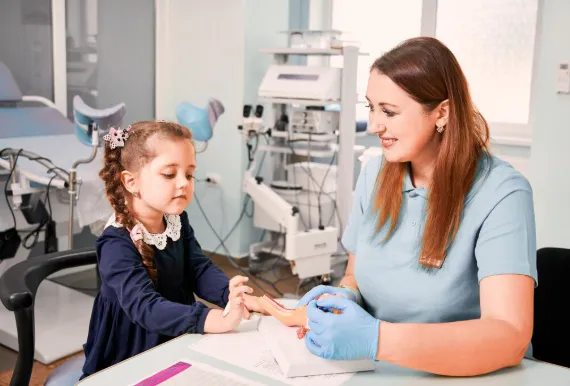
The first dental exam is usually designed to be comfortable and age-appropriate. The exact process can vary depending on the child's age, cooperation, dental development, and individual needs.
Reviewing Your Child's Dental History
The dental team may ask about your child's overall health, medications, previous dental experiences, oral habits, diet, and brushing routine.
Parents should share any concerns they have noticed, including tooth sensitivity, grinding, thumb-sucking, difficulty brushing, or changes in the appearance of the teeth.
Examining the Teeth and Gums
The dentist will examine the child's teeth, gums, bite, and surrounding oral structures. The goal is to identify signs of decay, developmental concerns, or other issues that may need monitoring.
This oral health assessment also provides an opportunity to discuss how the child's mouth is developing.
Will Your Child Receive a Dental Cleaning?
A dental cleaning may be recommended depending on the child's age, oral health, and comfort level.
What a Child-Friendly Cleaning May Involve
If a cleaning is appropriate, the dental team may gently remove plaque and buildup from the teeth. The process is adapted to the child's age and ability to cooperate.
The team may also demonstrate proper brushing and explain why consistent home care matters.
Fluoride and Other Preventive Recommendations
Depending on the child's individual needs, the dental team may discuss fluoride and other preventive measures. Parents can ask questions about which options are appropriate for their child.
Preventive care is particularly valuable because it focuses on maintaining healthy teeth rather than waiting for problems to develop.
How Can Parents Prepare for a Pediatric Dental Visit?
A little preparation can make the appointment easier for everyone.
Use Positive and Simple Language
Explain that the dentist will count and check the child's teeth. Avoid using words that may create unnecessary fear.
Parents can also read age-appropriate books about dental visits or play pretend dentist at home.
Bring Relevant Health Information
Parents should provide the dental team with relevant medical and dental information. It can also help to bring a list of medications or details about previous dental treatment when applicable.
Keep the Conversation Calm
Children often respond to their parents' reactions. Speaking positively and calmly about the appointment can help create a more comfortable experience.
For additional pediatric dental care tips, parents can ask the dental team about brushing techniques, snacks, drinks, and age-appropriate oral hygiene routines.
What Questions Should Parents Ask the Dentist?
The first appointment is an excellent opportunity to get personalized guidance.
Ask About Brushing and Flossing
Parents can ask how often their child should brush, which toothbrush and toothpaste are appropriate, and when flossing should become part of the daily routine.
Discuss Diet and Oral Habits
Questions about sugary drinks, snacks, pacifiers, thumb-sucking, and other habits can help parents understand how everyday choices may affect their child's teeth.
Families can also request practical oral health tips for kids & families that fit naturally into their daily routine.
What Happens If the Dentist Finds a Problem?
Discovering a dental concern during an early appointment does not necessarily mean that a child will need extensive treatment.
The Dentist May Recommend Monitoring
Some findings may simply need to be monitored as the child grows. The dental team can explain what to watch for and when another examination may be appropriate.
Treatment Can Be Explained Step by Step
If treatment is recommended, parents should have an opportunity to understand why it is needed, what the procedure involves, and what they can expect afterward.
If a child develops a toothache or dental emergency between regular visits, parents should contact the dental office promptly rather than waiting for the next scheduled appointment.
How Can Regular Dental Visits Benefit Children?
Regular dental appointments allow the dental team to monitor oral development and reinforce healthy habits.
Routine Visits Build Familiarity
Children who regularly visit the dentist can gradually become more comfortable with the sights, sounds, and routines of a dental office.
Prevention Can Reduce Future Problems
Regular examinations and home care can help identify concerns earlier and support healthier habits as permanent teeth begin to develop.
Parents can also discuss personalized preventive care based on their child's individual oral health needs.
What Should Parents Know About Choosing a Pediatric Dentist?
Choosing the right dental practice can make a difference in how a child experiences dental care.
Look for an Age-Appropriate Approach
A child-focused practice should be prepared to communicate with children at different developmental stages. The environment and explanations should be adapted to the child's age and comfort level.
Parents researching a pediatric dentist should also consider the practice's approach to preventive education and family communication.
Consider the Needs of the Whole Family
Convenient scheduling, clear communication, and a welcoming environment can make routine dental care easier for parents to maintain.
Dental practices may also have broader professional opportunities, including associate dentist & dental hygienist opportunities, which can support the growth of a multidisciplinary dental team.
How Can Families Make Dental Care Part of Their Routine?
Good oral health starts at home and continues through regular professional care.
Create a Consistent Brushing Routine
Parents should help younger children brush effectively and supervise them until they have the skills to do so independently.
Making brushing part of the morning and bedtime routine can help turn it into a lasting habit.
Keep Regular Appointments
Following the dental team's recommended appointment schedule helps maintain continuity of care. If you have not yet established a dental home for your child, it may be time to schedule an dentist appointment and discuss the appropriate care schedule.
Conclusion: Start Your Child's Dental Journey With Confidence
A child's first dental visit is an opportunity to establish healthy habits, evaluate developing teeth, answer parents' questions, and make professional dental care a familiar part of childhood. Understanding what happens during the appointment can help parents and children approach the experience with greater confidence.
If you're looking for compassionate children's dental care in Cheyenne, Contact us The Smile Academy to learn more about your child's first visit and take the next step toward a healthy, confident smile.
Frequently Asked Questions
1. When should my child have their first dental visit?
Children should begin dental care early in life rather than waiting until they experience pain or another dental problem. Your dental team can recommend an appropriate schedule based on your child's age and needs.
2. What happens during a child's first dental exam?
The dentist typically reviews the child's dental and health history, examines the teeth and gums, evaluates oral development, and discusses home-care habits with the parent or caregiver.
3. Will my child receive a cleaning during the first visit?
A cleaning may be provided when appropriate. The dental team will consider the child's age, oral health, and comfort level before proceeding.
4. How can I prepare my child for their first dental appointment?
Use simple, positive language to explain that the dentist will look at and count their teeth. Keeping the conversation relaxed and avoiding frightening descriptions can help reduce anxiety.
5. What should I do if my child has dental pain between visits?
Contact the dental office as soon as possible. A toothache or other dental emergency may require prompt evaluation rather than waiting for a routine appointment.


(307) 462-3752
5040 E 2nd St #2, Casper, WY 82609


