

Smile Academy Pediatric Dentistry
Blog
Why Preventive Pediatric Dental Care Matters for Laramie Families
Healthy teeth are an important part of a child's overall well-being. Preventive dental care helps parents and dental professionals identify potential problems early while teaching children habits that can support good oral health as they grow. For families looking for laramie pediatric dentistry, choosing a practice that emphasizes prevention can make regular dental care a more positive and manageable experience.
At The Smile Academy, families can learn about age-appropriate dental care and ways to support their children's oral health between appointments. Preventive care is not only about treating cavities; it is about helping children maintain healthy teeth and gums before problems develop.
What Is Preventive Pediatric Dental Care?
Preventive pediatric dental care focuses on protecting children's teeth through regular professional evaluations, preventive treatments, and good daily habits.
Children's mouths change as they grow, so routine dental care allows professionals to monitor developing teeth, gums, and bite. Early attention can also help identify concerns before they become more complicated.
Preventive care may include:
Routine dental examinations
Professional cleanings
Fluoride treatments
Dental sealants
Oral hygiene education
Dietary guidance
Monitoring dental development
Why Routine Exams Matter for Children
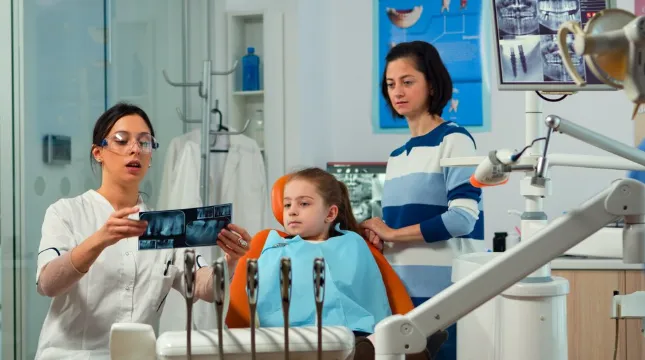
Routine exams give dental professionals an opportunity to evaluate a child's oral health and monitor changes over time.
Detect Problems Early
Early examinations can identify cavities, enamel concerns, gum problems, and developmental issues before they cause significant discomfort.
Finding a concern early may allow for simpler treatment and help prevent it from becoming a larger issue.
Monitor Growing Teeth
Children's teeth and jaws develop continuously. Regular appointments allow the dental team to observe changes in tooth alignment, spacing, bite, and overall development.
This ongoing monitoring can help parents understand their child's dental needs at different stages of growth.
How Fluoride Treatments Support Strong Teeth
Fluoride is a mineral that can help strengthen tooth enamel and make teeth more resistant to acid-related damage.
Support Enamel Protection
Fluoride treatments may provide additional protection for children who are at increased risk of tooth decay.
A Pediatric dental professional can determine whether fluoride treatment is appropriate based on the child's age, oral-health condition, and individual risk factors.
Combine Fluoride With Daily Care
Professional fluoride treatments work alongside good home-care habits. Children should continue brushing regularly with an age-appropriate amount of fluoride toothpaste as recommended by their dental provider.
The Role of Dental Sealants in Cavity Prevention
The chewing surfaces of back teeth contain grooves and pits where food particles and bacteria can collect. These areas can sometimes be difficult for children to clean thoroughly.
Create an Extra Protective Barrier
Dental sealants are thin protective coatings applied to certain tooth surfaces. They can help prevent food and bacteria from settling into deep grooves.
Determine When Sealants Are Appropriate
Not every child needs sealants on every tooth. A dental professional can evaluate the child's teeth and determine whether sealants may help reduce the risk of decay.
How Preventive Care Helps With Cavity Prevention
Cavities are among the most common dental concerns in childhood. Preventive care addresses several factors that contribute to tooth decay.
Establish Consistent Brushing Habits
Children should brush their teeth regularly using proper technique. Parents may need to supervise or assist younger children until they can brush effectively on their own.
Pay Attention to Diet
Frequent consumption of sugary foods and drinks can increase the risk of tooth decay. Encouraging balanced meals and limiting sugary snacks can support healthier teeth.
Water can also be a useful beverage choice between meals, depending on a child's overall dietary needs.
Build Strong Oral Hygiene Habits at Home
Professional appointments are only one part of maintaining healthy teeth. Daily oral hygiene plays a major role in preventing dental problems.
Make Brushing Part of the Daily Routine
Establish consistent brushing times in the morning and before bed. Younger children often benefit from supervision to ensure all tooth surfaces are cleaned.
Introduce Flossing at the Right Time
When children's teeth begin touching each other, cleaning between them becomes increasingly important. Parents can ask their dental provider when and how to introduce flossing based on their child's development.
Following pediatric dental care tips for healthy teeth can help families establish routines that children can continue as they become more independent.
Create a Positive Dental Experience
Children who have positive experiences with dental care may be more comfortable attending appointments as they grow.
Choose a Welcoming Dentist Office
A comfortable dentist office can help reduce anxiety and make children more receptive to preventive care.
Parents should consider how the dental team communicates with children and whether staff take time to explain procedures in an age-appropriate way.
Work With a Child-Focused Provider
A childrens dentist understands that young patients may have different communication needs and comfort levels.
The right Children's dentist should be able to work with parents and children to create an approach that supports both immediate dental needs and long-term oral health.
Why Preventive Care Benefits the Whole Family
Good dental habits often become part of a family's everyday routine. Parents can encourage children by practicing healthy habits themselves and making oral care a shared priority.
Support Family Dental Care
Family Dental Care can help households establish consistent expectations around brushing, flossing, healthy eating, and routine appointments.
When children see parents treating oral hygiene as an ordinary part of daily life, they may be more likely to develop similar habits.
Reduce Avoidable Dental Problems
Preventive care cannot eliminate every dental issue, but it can reduce the likelihood of untreated problems becoming more serious.
Regular professional monitoring combined with appropriate home care gives families more opportunities to address concerns early.
When Should Laramie Children Visit the Dentist?
Children should begin receiving dental care early in life, generally around the appearance of their first tooth or by their first birthday, based on professional recommendations.
The frequency of future appointments depends on the child's oral health, development, cavity risk, and individual needs.
Families searching for pediatric dentistry wyoming should consider a provider that can offer age-appropriate preventive care and guidance throughout childhood.
What Parents Should Look for in a Pediatric Dental Provider
Choosing a dental provider is an important decision for families.
Consider Experience With Children
Look for a provider who regularly works with young patients and understands the developmental differences between children of various ages.
Ask About Preventive Services
Find out whether the practice offers routine examinations, cleanings, fluoride treatments, sealants, and oral-health education.
Review Communication and Convenience
Parents should feel comfortable asking questions and discussing concerns. Location, appointment availability, emergency procedures, and office policies can also influence whether a practice is a good fit for the family.
Understanding the Dental Team
Pediatric dental care involves more than the dentist alone. Dental hygienists and other trained professionals can contribute to preventive education, cleanings, and patient support.
People exploring dental hygienist opportunities may find that pediatric practices offer a setting where preventive education and child-focused communication are important parts of the role.
Frequently Asked Questions About Pediatric Dental Care
Parents often have questions about how frequently children should visit the dentist, which preventive treatments they may need, and how to encourage healthy habits at home.
How often should my child have a dental exam?
Many children benefit from dental visits approximately every six months, although the recommended schedule can vary depending on individual oral-health needs and risk factors.
Are fluoride treatments necessary for every child?
No. Fluoride treatment recommendations depend on factors such as age, oral health, fluoride exposure, and cavity risk. A dental professional can determine whether additional fluoride is appropriate.
Conclusion
Preventive dental care gives Laramie families an opportunity to protect children's teeth, identify concerns early, and build healthy oral-care habits that can last into adulthood. Routine exams, fluoride treatments, sealants, good oral hygiene, and consistent home care all play valuable roles in supporting children's dental health. If you are looking for preventive dental care for your child, Contact us The Smile Academy to learn more about our services and discuss your family's oral-health needs.
Frequently Asked Questions
1. At what age should children start visiting the dentist?
Children should generally have their first dental visit around the time their first tooth appears or by their first birthday, according to commonly recommended pediatric dental guidance.
2. Can dental sealants completely prevent cavities?
No preventive treatment can guarantee that cavities will never develop. Sealants can provide an additional protective barrier on certain tooth surfaces, but regular brushing, healthy eating, and dental visits remain important.
3. Should parents help children brush their teeth?
Young children often need assistance or supervision because they may not yet have the coordination to clean every tooth surface effectively. Parents can gradually encourage independence as children develop appropriate brushing skills.
4. How can I help my child feel comfortable at the dentist?
Use positive, simple language when discussing dental visits. Avoid sharing frightening stories, and choose a dental practice experienced in creating comfortable experiences for children.
5. What are the most important preventive dental habits for children?
Regular brushing, appropriate flossing, balanced nutrition, limited sugary foods and drinks, and routine dental appointments are important habits that can support children's oral health.


(307) 462-3752
5040 E 2nd St #2, Casper, WY 82609


